Location: Seguin, TX
Certificates: Comm ASEL/RH CFII ASEL/RH Comm GL
Posts: 82
Threads: 9
Joined: Dec 2025
Reputation:
8
You seem to have all the fun. Were you flying forward or in a hover? What airspeed and how much yaw was observed? Curious if the vertical fin provided enough force to keep the aircraft relatively straight during the event.
Location: Qld Australia
Certificates: pilot, owner builder
Posts: 98
Threads: 22
Joined: Dec 2025
Reputation:
15
10-31-2026, 02:08 AM
(Edited 10-31-2026, 09:51 PM by Graeme Smith.)
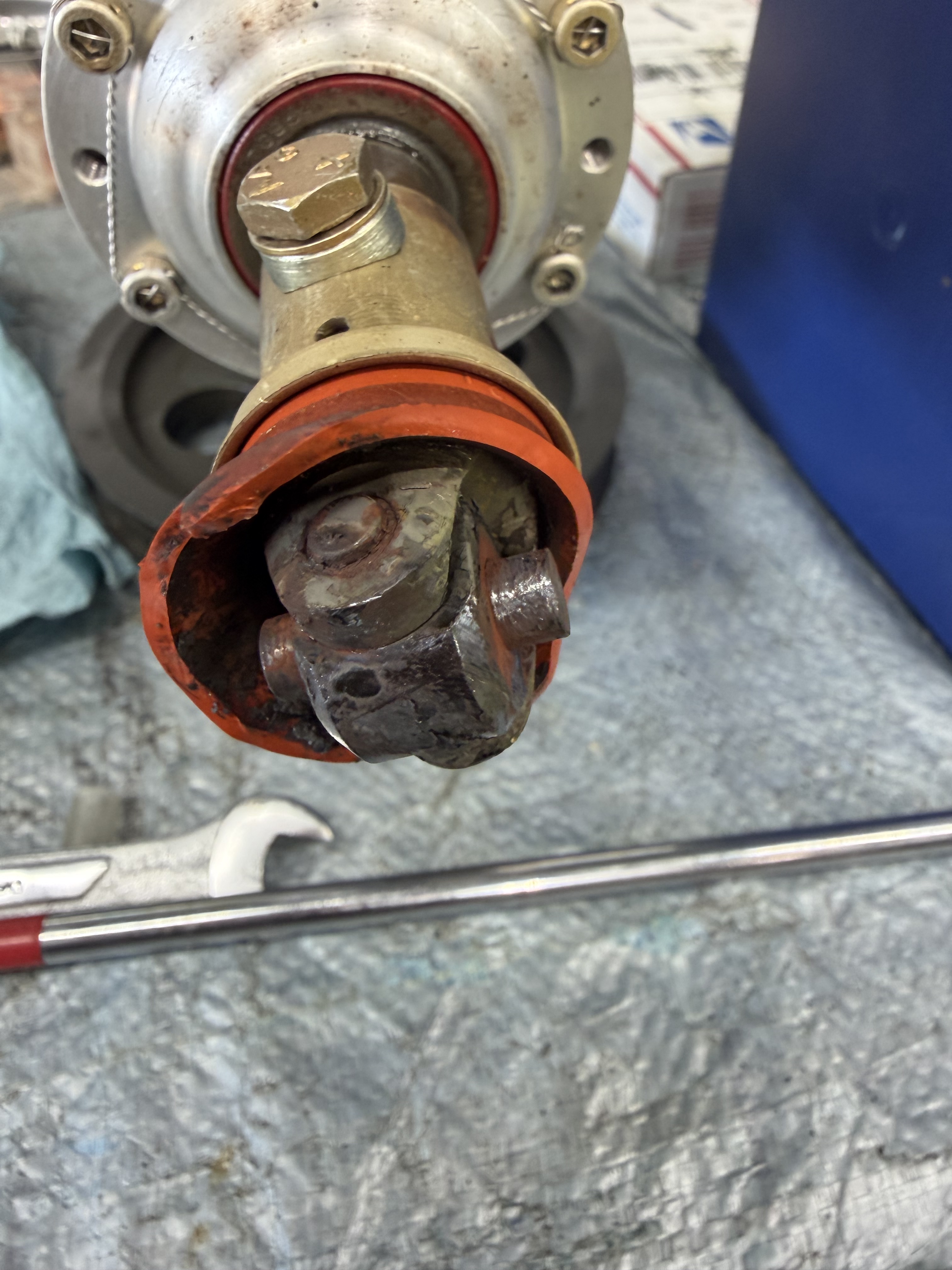
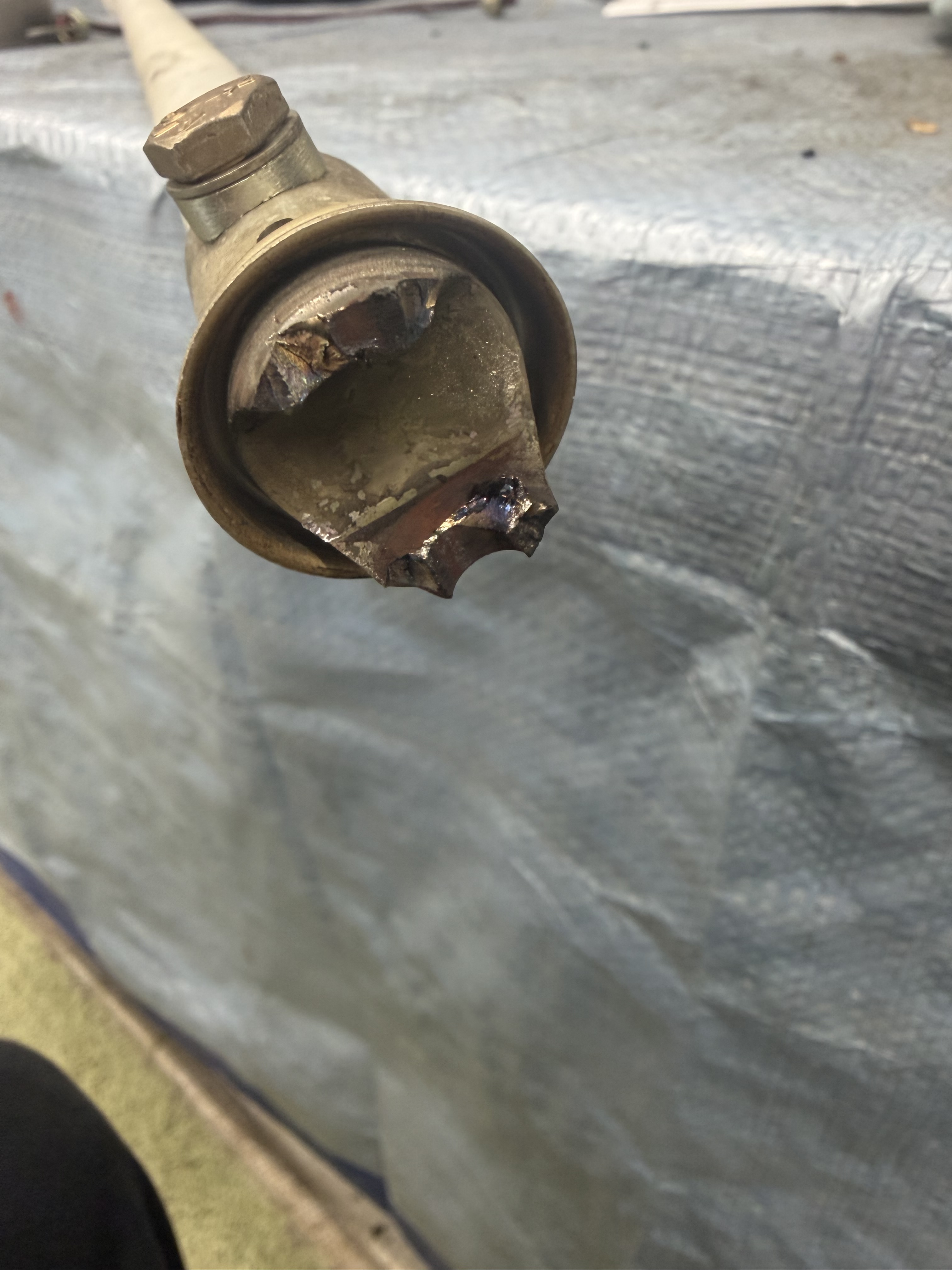
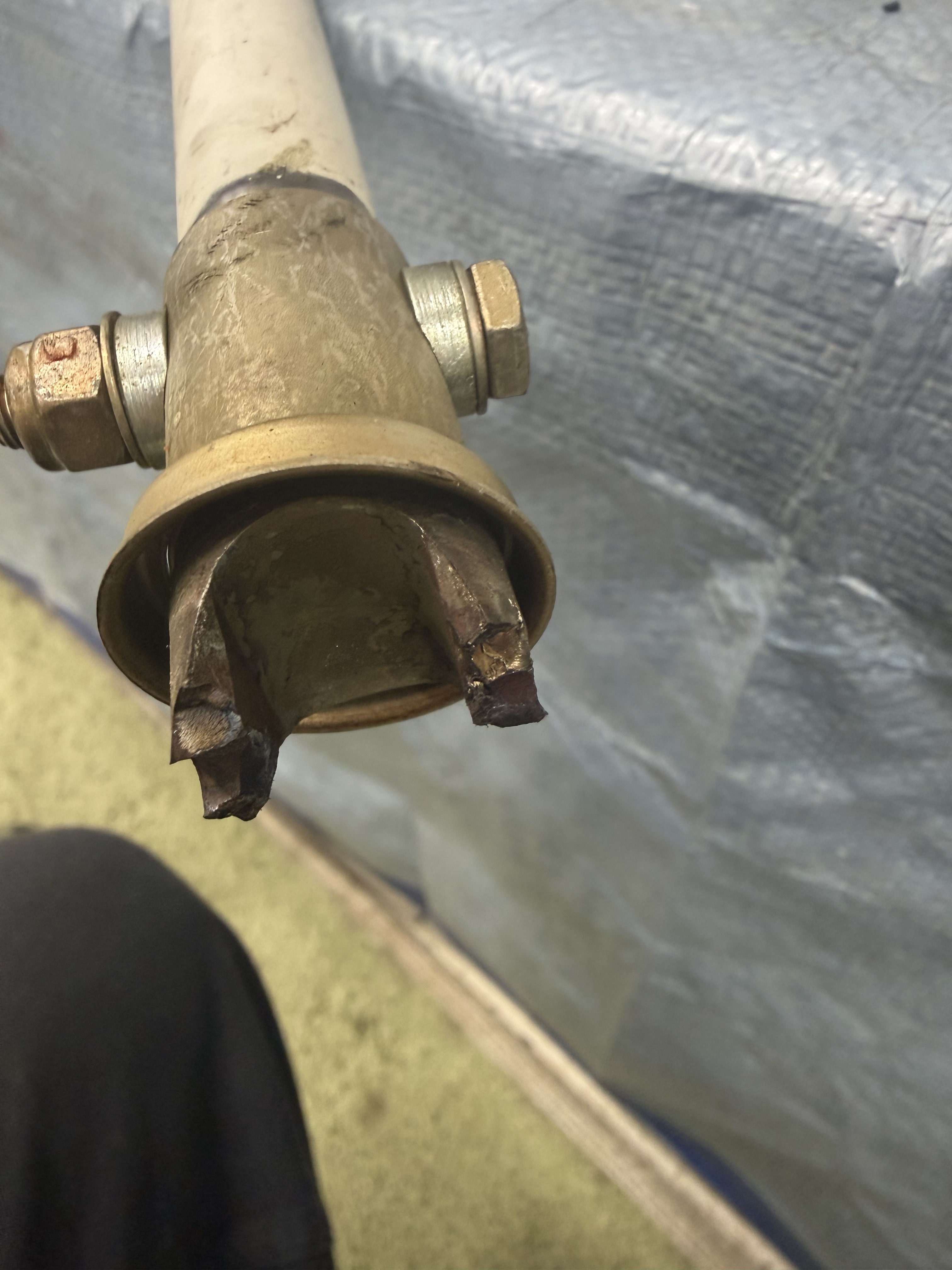
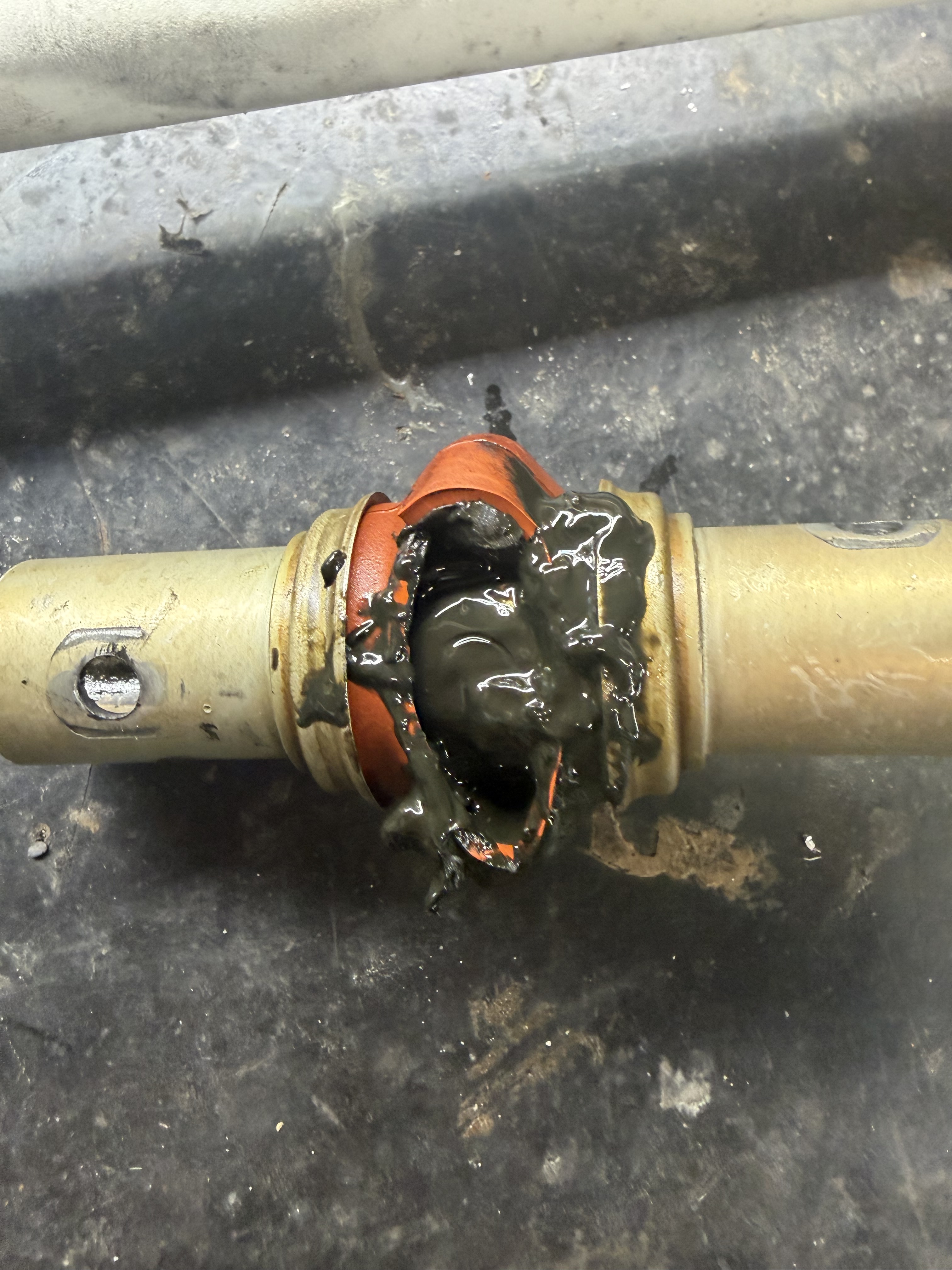
Maybe the wrong type of coupling, and it looks like it has rusted and it needs grease all the time, I think the wrong application for a tail rotor shaft particularly if you have to remove the boot to inspect, how many of us would do that regularly?
It also looks like the curved washer that the bolt tightens against has been working, ie maybe loose?
Location: Hillsboro, OH
Certificates: PPL, CPL
Posts: 76
Threads: 17
Joined: Dec 2025
Reputation:
15
This is WAKEUP call to the guys that say” I’d never fly that thing with all those belts driving the tail! They think drive shafts are going to fix everything. The belts on the RW will out live driveshafts and be much lighter, cheaper, easier to inspect, than all their high dollar fixes that can come up with. Only ignorant people down play our belts system with the new aramid fiber belts. People are changing them way too often. However like everything else, they need to be installed properly and they need to have the proper marking on them to make sure they are not the fiberglass ones that stretch a lot to start with. You can run those , but, they will stretch a lot the first few hours, and will not last the way the good ones do. These would be the ones to change out regularly.
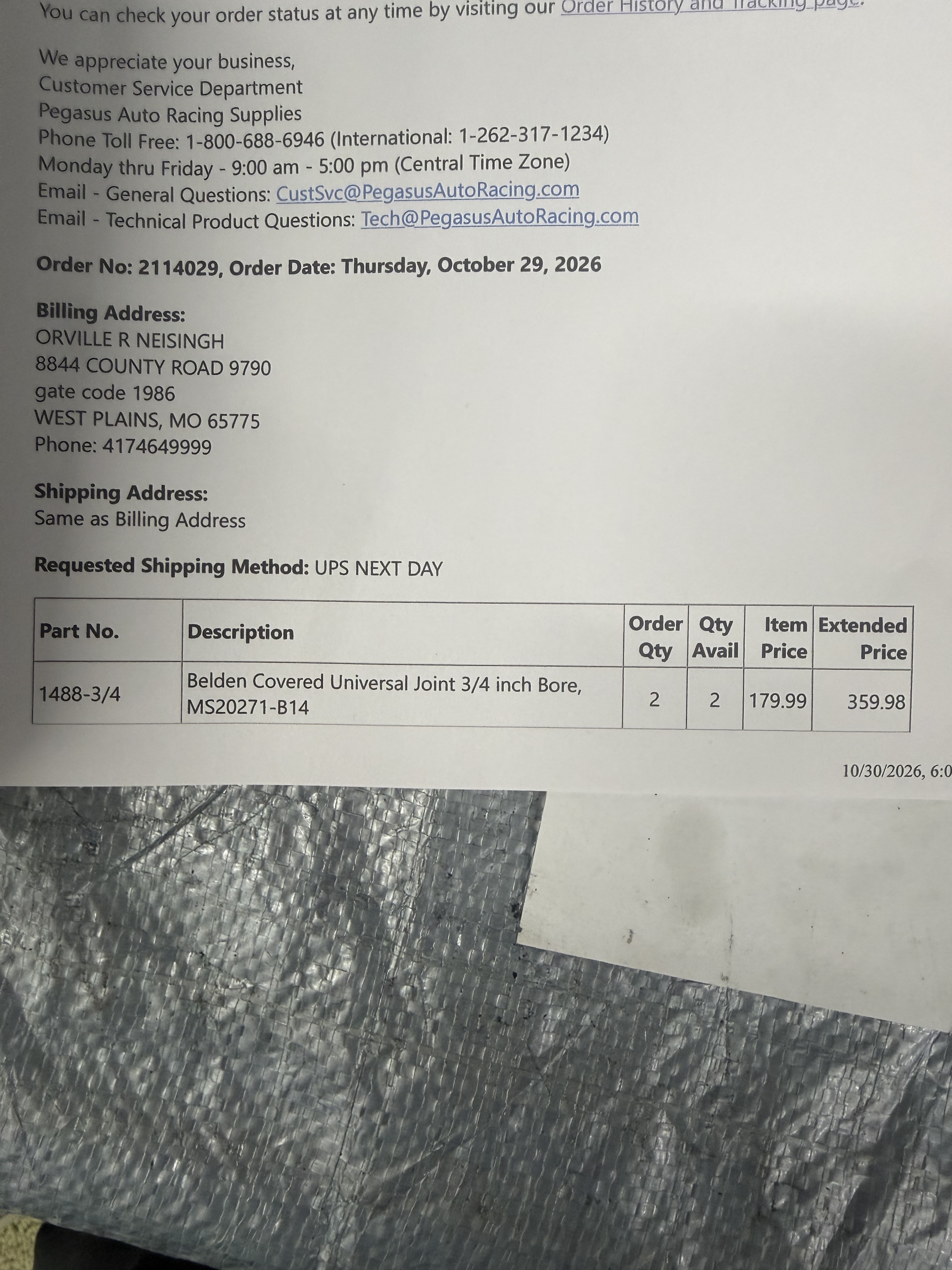
Like getting the proper tool for the job, this is get the proper “part” not some other part that looks the same. A perfect example of this would be the improper oil pressure sensor on one of Joe’s engines that restricted oil flow and caused the engine to fail.
Location: Hillsboro, OH
Certificates: PPL, CPL
Posts: 76
Threads: 17
Joined: Dec 2025
Reputation:
15
Yesterday, 01:59 PM
(Edited Yesterday, 02:06 PM by Homer Bell.)
Also, this is one of the differences between a homebuilt and a certified machine. Lots of testing before it get to the field. The JetX has had its problems over the years since it came out. Wrong gear in the Rotax gearbox, bad gear in the main tranny, that’s just two of the major things that I know of, oh and the drive shaft issue at the tail end of that shaft. Wringing out all the issues with some new design can take years before most of them can be found. That one reason I discourage big changes to the RW until it’s been tested for many hours. Yet we still have people who think they have a better idea and start changing all kinds of stuff. Some may be better, all changes should be tested thoroughly before offering it to all the other builders.
I’ve seen some of these great changes nearly kill a couple here in Ohio several years ago. She broke her back and he has an ankle break I think still bothers him today. She lost their first child and had a broken back they misdiagnosed for days and was in a lot of pain.
It was a great idea to have an adjustable horiz stab, but didn’t incorporate all the necessary things to keep it from killing you in the event something failed. And it nearly did kill somebody.
Location: Qld Australia
Certificates: pilot, owner builder
Posts: 98
Threads: 22
Joined: Dec 2025
Reputation:
15
Yesterday, 10:05 PM
(Edited Yesterday, 11:28 PM by Graeme Smith.)
Good point Homer, we will have 4 RWs being tested with the shaft drive I have come up with, my desire is always to improve the RW.
Although I must highlight that my reason for doing this is the continued tail rotor belt breakages, worldwide, causing an accident, I know the belt drive has been used for a long time, I also know there has been a lot of failures and yes some can be blamed on lack of maintenance but maybe twisting Vee belts as an idea, is not the best choice